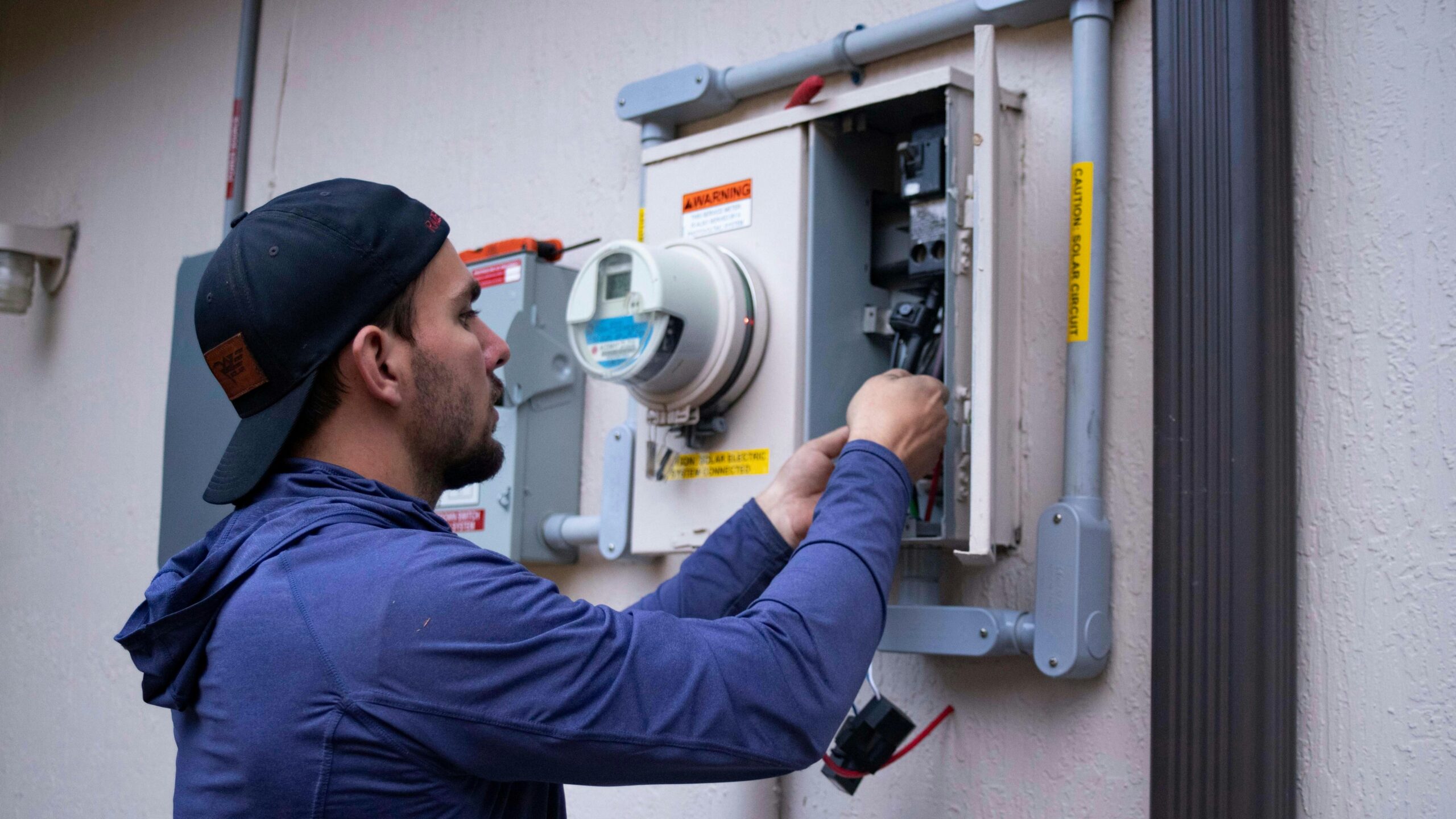
A home inspection is one of the most important steps in the homebuying process. It provides valuable insight into a property’s condition and helps buyers make informed decisions before moving forward. For many buyers, especially first-time buyers in Central New York, the inspection can feel intimidating if you’re not sure what to expect.
In this guide, we’ll break down what a typical home inspection covers, what it doesn’t, and how to use the inspection process as a helpful tool rather than a source of stress.
What Is a Home Inspection?
A home inspection is a visual evaluation of a property’s major systems and components, typically conducted by a licensed home inspector after a purchase offer is accepted. The goal is to identify visible issues that may impact the home’s safety, function, or long-term maintenance.
The inspection provides buyers with an objective overview of the home’s condition at the time of the inspection, helping them plan next steps with clarity.
What a Home Inspection Typically Covers
While inspections can vary slightly by inspector, most home inspections in Central New York include a review of the following areas:
- Roof and exterior: shingles, flashing, siding, gutters, grading, and visible drainage issues
- Structure: foundation, framing, floors, walls, ceilings, and signs of movement or moisture
- Electrical systems: service panel, wiring, outlets, switches, and visible safety concerns
- Plumbing: supply lines, drains, water pressure, fixtures, and visible leaks
- Heating and cooling systems: furnace, boiler, central air, and visible ductwork
- Interior features: doors, windows, stairs, railings, and basic appliances
- Basement or crawlspace: moisture, insulation, ventilation, and visible structural components
After the inspection, the buyer typically receives a written report detailing findings, photos, and recommendations.
What a Home Inspection Does Not Cover
It’s just as important to understand what a standard home inspection does not include:
- Cosmetic issues such as paint colors, flooring style, or décor
- Code compliance or permit verification
- Hidden or inaccessible areas behind walls or under flooring
- Specialized systems like septic, wells, chimneys, pools, or radon unless separately ordered
- Future performance predictions or guarantees
If concerns arise during the inspection, buyers may choose to pursue additional specialized inspections for more detailed evaluation.
How Buyers Should Use the Inspection Report
A home inspection is not a pass-or-fail test. Instead, it’s an information-gathering tool.
Buyers often use the report to:
- Understand the home’s current condition
- Prioritize repairs or maintenance
- Discuss potential next steps with their real estate professional
- Make informed decisions moving forward
Your real estate agent can help you interpret the report and understand which items are commonly addressed and which are considered typical maintenance.
A Helpful Perspective
Nearly every home, even newer construction, will have inspection findings. That’s normal. The purpose of the inspection is not to find a perfect home, but to ensure you understand what you’re buying and feel confident moving forward.
Conclusion
A home inspection is a valuable step that helps protect buyers and supports informed decision-making. By understanding what’s covered, what’s not, and how to approach the results, you can navigate this phase of the homebuying process with confidence and clarity.
At HHC Realty, we believe education leads to stronger decisions and smoother experiences. We’re here to help guide you through every step of the journey.
Send us a message by clicking below, and we will respond shortly.